
Effective Pain Management Techniques in Physiotherapy
- Declan Leonard
- Apr 8
- 3 min read
Living with pain can be a daily challenge, especially when it limits our ability to move freely and enjoy life. Whether it’s a nagging injury from sports, a chronic condition, or a sudden strain, finding effective ways to manage pain is essential. Fortunately, physiotherapy offers a range of gentle, personalised approaches that help us regain control and improve our quality of life. Let’s explore some of the most effective pain solutions that can support us on this journey.
Discovering Effective Pain Solutions in Physiotherapy
When we think about pain relief, it’s easy to focus on quick fixes like medication. But physiotherapy provides a more holistic approach that targets the root causes of pain. By combining movement, manual therapy, and education, physiotherapy helps us heal and strengthen our bodies safely.
Some of the most effective pain solutions include:
Tailored exercise programmes: These are designed to improve strength, flexibility, and posture, reducing strain on painful areas.
Manual therapy: Hands-on techniques such as massage, joint mobilisation, and soft tissue release can ease muscle tension and improve circulation.
Education and advice: Understanding our body mechanics and learning how to avoid aggravating movements empowers us to take charge of our recovery.
Modalities like heat, cold, and electrotherapy: These can provide temporary relief and support healing.
By working closely with a physiotherapist, we receive personalised care that adapts as we progress. This approach not only alleviates pain but also helps prevent future injuries.

How Movement and Exercise Help Us Heal
One of the most powerful tools in managing pain is movement. It might seem counterintuitive to move when we’re hurting, but gentle, guided exercise can make a huge difference. Movement helps by:
Increasing blood flow to injured tissues, which promotes healing.
Strengthening muscles around the affected area to provide better support.
Improving joint mobility and reducing stiffness.
Releasing endorphins, the body’s natural painkillers.
Starting with low-impact activities like walking, swimming, or specific physiotherapy exercises can ease us into a routine without causing further harm. Over time, as strength and confidence build, we can gradually increase intensity.
Remember, the key is to listen to our bodies and avoid pushing through sharp or worsening pain. Our physiotherapist will guide us on the right exercises and progression to ensure safety and effectiveness.
Incorporating Manual Therapy for Lasting Relief
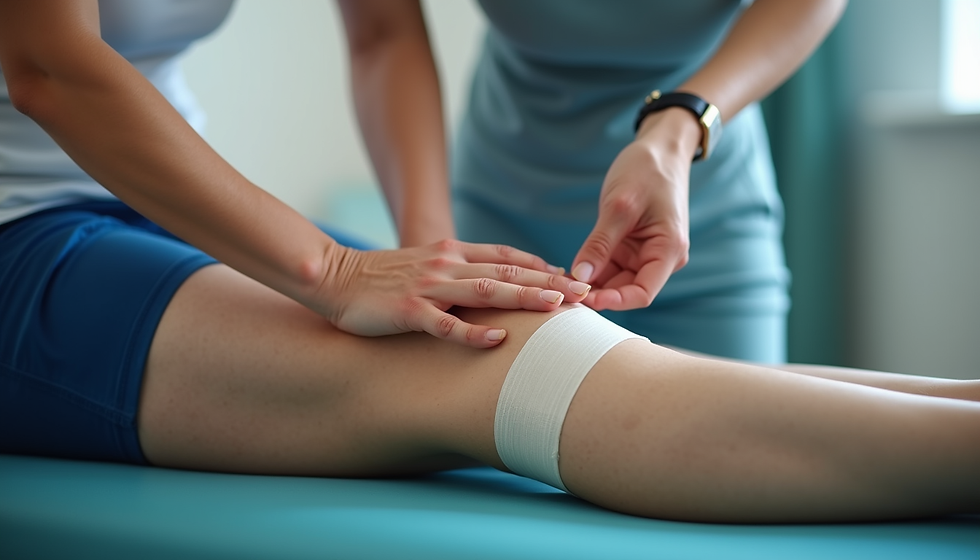
Manual therapy is a cornerstone of physiotherapy that involves skilled hands-on techniques to address pain and dysfunction. It can be incredibly effective for conditions like back pain, joint stiffness, and muscle tightness.
Some common manual therapy methods include:
Soft tissue massage: Helps relax tight muscles and improve circulation.
Joint mobilisation: Gently moves joints to restore normal motion and reduce pain.
Myofascial release: Focuses on the connective tissue to improve flexibility and reduce discomfort.
These techniques not only provide immediate relief but also support long-term healing by improving tissue health and function. When combined with exercise and education, manual therapy forms a comprehensive pain management plan.

Embracing a Holistic Approach to Pain Management
Pain is complex, and managing it effectively often requires addressing more than just the physical symptoms. A holistic approach considers emotional wellbeing, lifestyle factors, and overall health.
Here are some ways to embrace this mindset:
Mindfulness and relaxation techniques: Practices like deep breathing, meditation, and gentle yoga can reduce stress and lower pain perception.
Healthy nutrition: Eating a balanced diet supports tissue repair and reduces inflammation.
Adequate rest and sleep: Quality sleep is essential for recovery and pain control.
Setting realistic goals: Working with your physiotherapist to set achievable milestones keeps motivation high and progress steady.
By combining these elements with targeted physiotherapy, we create a supportive environment for healing and resilience.
Taking the Next Step Towards Better Days
If you’re ready to take control of your pain and start moving better, remember that personalised care is key. At Better Days Physiotherapy and Sports Injuries Clinic, we’re here to support you every step of the way. Our team specialises in pain management techniques that are tailored to your unique needs, helping you recover safely and stay active.
Don’t let pain hold you back any longer. Reach out today and discover how effective pain solutions through physiotherapy can transform your life. Together, we’ll work towards a future where you feel stronger, more mobile, and ready to enjoy every day to the fullest.


Comments